
At Global Florida Realty, we understand the importance of protecting your investment properties. Finding the best home insurance for rental properties can be a complex task, but it’s essential for safeguarding your assets and income.
This guide will walk you through the key factors to consider when selecting insurance for your rental properties, helping you make an informed decision.
Rental property insurance differs significantly from standard homeowners insurance. This specialized coverage protects against risks associated with tenants and rental activities. Unlike homeowners insurance, it doesn’t cover tenants’ personal belongings or provide liability coverage for their actions. Instead, it focuses on protecting the structure, landlord-owned appliances or furnishings, and the owner’s rental income.
Typical rental property insurance policies include three main types of protection:
Basic rental property insurance provides essential coverage, but it often has exclusions and limitations. For instance, flood damage typically requires a separate policy. According to FEMA, just one inch of floodwater can cause up to $25,000 in damage, making flood insurance a critical consideration for many Florida properties.
Common add-ons for rental property insurance include:
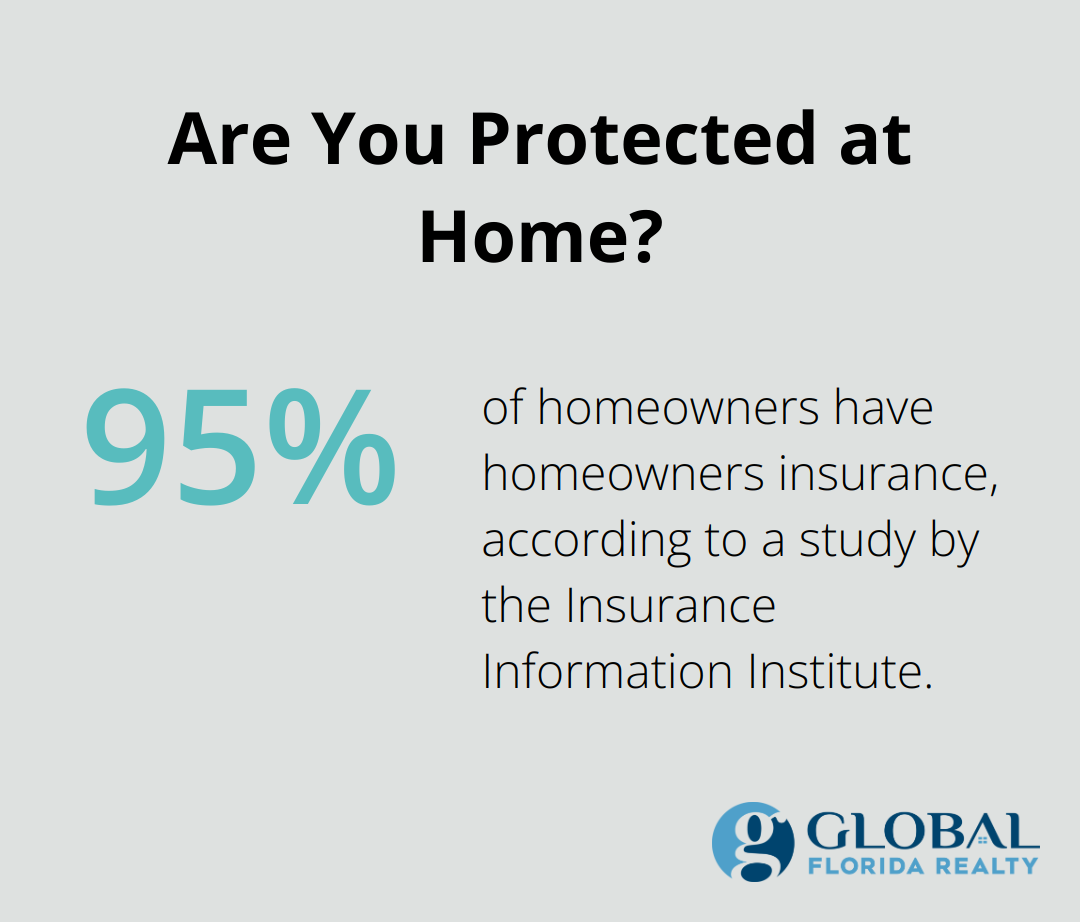
A study by the Insurance Information Institute found that about 95% of homeowners have homeowners insurance, but many landlords overlook the importance of specialized rental property coverage. This oversight can lead to significant financial risks (and potential losses) for property investors.
As we move forward, we’ll explore the factors you should consider when choosing the right insurance policy for your rental property. These considerations will help you protect your investment and maximize your returns in the competitive Florida real estate market.
The location of your rental property significantly influences your insurance needs. Florida’s unique climate, with its hurricane risks, demands specific considerations. Properties in coastal areas may require additional windstorm coverage. By reducing your property’s risk of hurricane damage, you can save significant cash on Florida property insurance and annual premiums.

The type of property also matters. A single-family home in Orlando will have different insurance requirements compared to a high-rise condo in Miami Beach. Multi-unit properties often need more comprehensive liability coverage due to increased foot traffic and shared spaces.
The occupancy status of your rental property is a key factor in determining the right insurance coverage. Short-term rentals, such as vacation homes near Disney World, face different risks compared to long-term residential leases.
Short-term rentals often experience higher turnover and may require more frequent inspections and maintenance. They also face a higher risk of property damage due to the constant influx of new guests. Recent research suggests that private short-term letting via platforms like Airbnb has exploded in the last decade, yet little is known about how this affects neighborhood crime rates.
Long-term rentals, while generally more stable, may need coverage for extended periods of vacancy between tenants. They also benefit from liability protection that covers longer tenant occupancy periods.
The level of personal property coverage you need depends on how furnished your rental is. A fully furnished vacation rental will require more coverage than an unfurnished long-term rental where tenants bring their own belongings.
Liability coverage is equally important. The Insurance Information Institute recommends a minimum of $1 million in liability coverage for rental property owners. This protects you from potential lawsuits arising from injuries on your property or other incidents related to your rental business.
Inadequate liability coverage can leave landlords exposed to significant financial risks. For example, a landlord faced a $500,000 lawsuit after a tenant’s guest slipped on a wet floor. Proper liability coverage would have mitigated this financial burden.
Understanding these factors is essential in tailoring your rental property insurance to your specific needs. As you evaluate your options, consider how each of these elements applies to your property and investment strategy. The next section will explore practical tips for finding the best insurance policy that addresses these factors effectively.
Don’t accept the first insurance offer you receive. Insurance premiums can differ significantly between providers. We recommend obtaining quotes from at least three different insurers. The Insurance Handbook provides basic information on various types of insurance, including auto, home, life, annuities, and long-term care, which can be helpful when comparing quotes.

When comparing, focus on coverage limits and exclusions, not just the price. The least expensive option isn’t always the best if it leaves you underinsured. Some insurers specialize in rental properties and might offer more tailored coverage.
Many insurance companies offer substantial discounts when you combine multiple policies. Landlord insurance rates vary by state due to location, risk factors, and policy coverage. The national average is around $1,516 per year.
However, don’t assume bundling always provides the best value. Sometimes, specialized rental property insurers offer better overall deals, even without bundling. It’s worth comparing both bundled and standalone options.
Choosing a higher deductible can lower your monthly premiums. However, this strategy only works if you can afford the higher out-of-pocket cost in case of a claim.
Take into account your property’s risk factors when deciding on your deductible. If your rental is in an area prone to natural disasters, a lower deductible might justify the higher premium.
The financial stability of your insurer is essential. You want a company that can pay claims when needed. Check ratings from independent agencies like A.M. Best or Standard & Poor’s. An A rating or higher indicates strong financial health.
Customer reviews can also provide insight into an insurer’s claim process and customer service. The National Association of Insurance Commissioners provides a complaint index for insurers, showing how they compare to the national median.
While online research is valuable, consulting with insurance professionals can provide personalized insights. They can help you understand complex policy terms and identify coverage gaps you might overlook. At Global Florida Realty, our team can connect you with trusted insurance advisors who specialize in rental property coverage.
The best home insurance for rental properties protects your investment and ensures long-term success as a landlord. You must understand the unique aspects of rental property insurance and consider key factors like location and occupancy type. The Florida real estate market presents unique challenges, from hurricane risks to the booming vacation rental industry.

Professional guidance proves invaluable when navigating the complexities of insurance and the ever-changing real estate landscape. Global Florida Realty combines extensive knowledge of the Florida market with personalized service to help you make informed decisions. Our team connects you with trusted insurance advisors who specialize in rental property coverage.
Investing in rental properties rewards you, but it requires careful planning and risk management. You protect your property, financial future, and peace of mind when you secure appropriate insurance coverage. Whether you’re a seasoned investor or just starting out, informed decisions about your rental property insurance lead to long-term success in the Florida real estate market.