
Buying real estate in Florida can be an exciting yet complex process. At Global Florida Realty, we’ve helped countless clients navigate the Sunshine State’s property market.
This guide will walk you through how to buy Florida real estate, from research to closing. We’ll cover essential steps, local laws, and insider tips to make your property purchase smooth and successful.
The first step in your Florida real estate journey involves a thorough evaluation of your finances. Florida Realtors provides current and historical closed sales and median prices for single-family, condo/townhouse and manufactured homes in Florida. This information underscores the importance of a clear budget understanding.

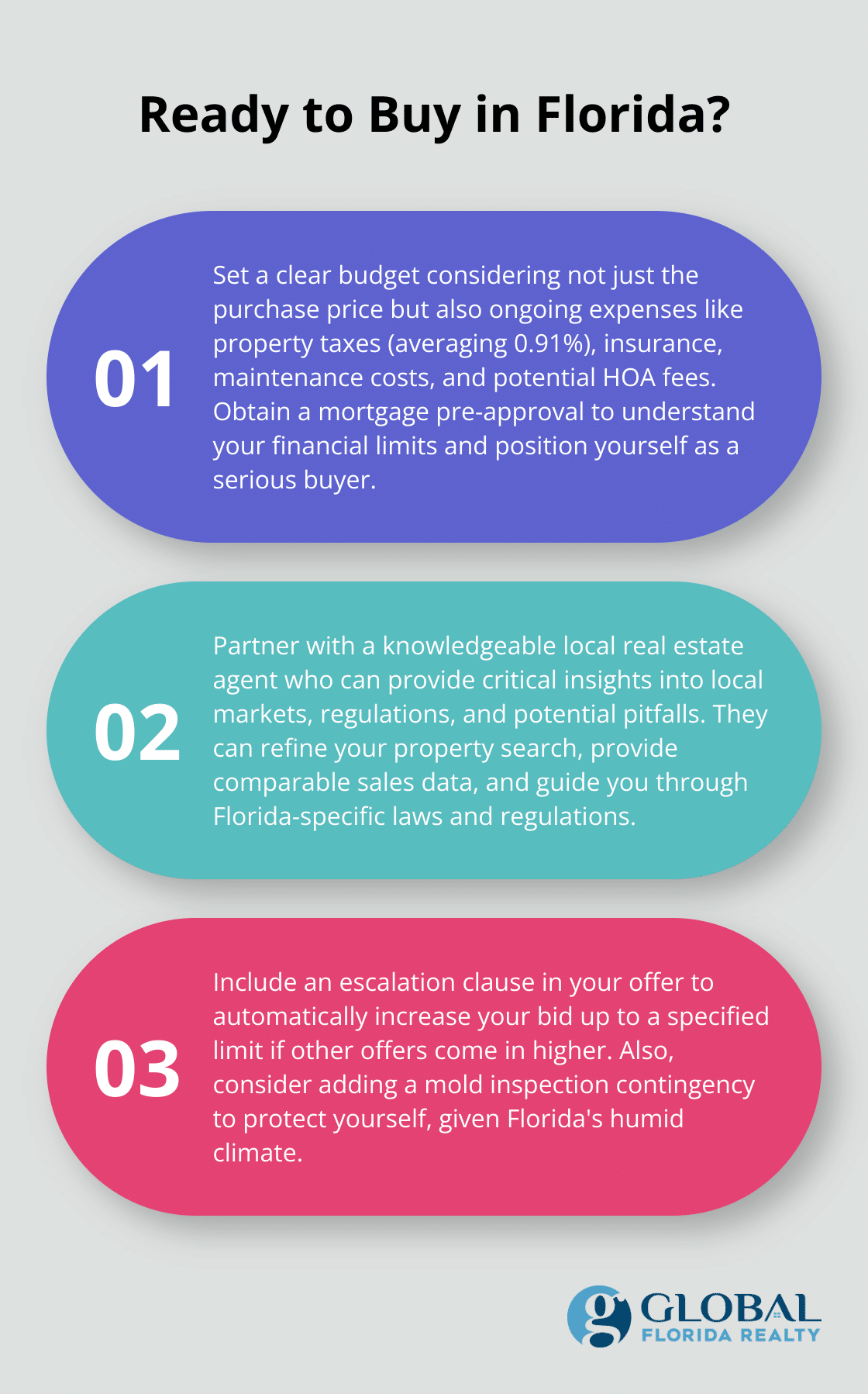
Your financial assessment should encompass more than just the purchase price. Consider ongoing expenses such as property taxes (averaging 0.91% but varying by county), insurance, and maintenance costs. Don’t overlook potential homeowners association (HOA) fees, which are prevalent in many Florida communities.
If you plan to finance your purchase, obtain a mortgage pre-approval. This process involves a comprehensive analysis of your financial status by a lender. A pre-approval not only clarifies your budget but also positions you as a serious buyer in Florida’s competitive market.
Next, outline your ideal Florida property. Do you envision a beachfront condo, a single-family home in a gated community, or an investment property near popular attractions?
Your lifestyle needs should guide your decision. For families, researching school districts is paramount. Retirees might prioritize communities with senior-friendly amenities. Investors often find areas with high rental demand (such as those near Disney in Orlando) particularly appealing.
Florida’s unique climate warrants special consideration. Properties in flood zones or hurricane-prone areas may require additional insurance and hurricane-resistant features, potentially impacting your overall costs.
Florida’s real estate landscape is diverse and dynamic, with significant variations across different regions. CoreLogic provides current information on home price growth trends on national, state and metro area levels.
Pay close attention to local market trends. Some areas, like South Florida, have experienced an influx of buyers due to remote work opportunities. Others, such as Orlando, attract families with their educational facilities and recreational attractions.
Understanding seasonal patterns can help you time your purchase effectively. The winter “snowbird season” often drives up demand and prices in popular coastal areas, while summer months might offer better opportunities for buyers.
The complexity of Florida’s real estate market, especially for out-of-state buyers, makes partnering with a knowledgeable local real estate agent invaluable. They provide critical insights into local markets, regulations, and potential pitfalls.
A skilled agent will refine your property search, provide comparable sales data to inform your offers, and guide you through Florida-specific laws and regulations. They can also connect you with other essential professionals, such as home inspectors and insurance agents familiar with Florida’s unique requirements.
As you move forward in your Florida real estate journey, the next crucial step involves navigating the intricacies of the local market. This includes understanding Florida-specific laws, exploring neighborhoods, and considering factors unique to the Sunshine State’s property landscape.
Florida’s real estate market operates under distinct rules and regulations. The state follows equitable distribution principles for property division in divorces. Sellers must disclose known defects that could significantly impact a property’s value.
A standout feature of Florida real estate is the homestead exemption. Property owners in Florida may be eligible for exemptions and additional benefits that can reduce their property tax liability.
Property taxes in Florida average around 0.91% of a home’s assessed value, with rates varying by county. Miami-Dade County has one of the highest property tax rates (1.02%), while Walton County boasts one of the lowest (0.79%). These ongoing costs should factor into your budget when considering a Florida property purchase.
Insurance requirements in Florida extend beyond standard homeowners policies. The state’s vulnerability to hurricanes and flooding often necessitates additional coverage. Many properties require flood insurance, which can substantially increase annual costs. In high-risk coastal areas, wind insurance might also prove necessary.
Florida offers a wide array of communities, each with its own distinct character. Options range from the bustling urban centers of Miami and Tampa to quieter retirement communities like The Villages. When exploring neighborhoods, consider factors such as proximity to amenities, school districts (if applicable), and local development plans.
Florida’s rapid growth means some areas experience significant changes, which could affect property values and quality of life in the coming years. Research local market trends and future development projects to make an informed decision about your potential new neighborhood.
Florida’s susceptibility to natural disasters makes understanding flood zones essential. The Federal Emergency Management Agency (FEMA) provides flood maps that categorize areas based on their risk level. Properties in high-risk zones often require flood insurance and may face stricter building codes.
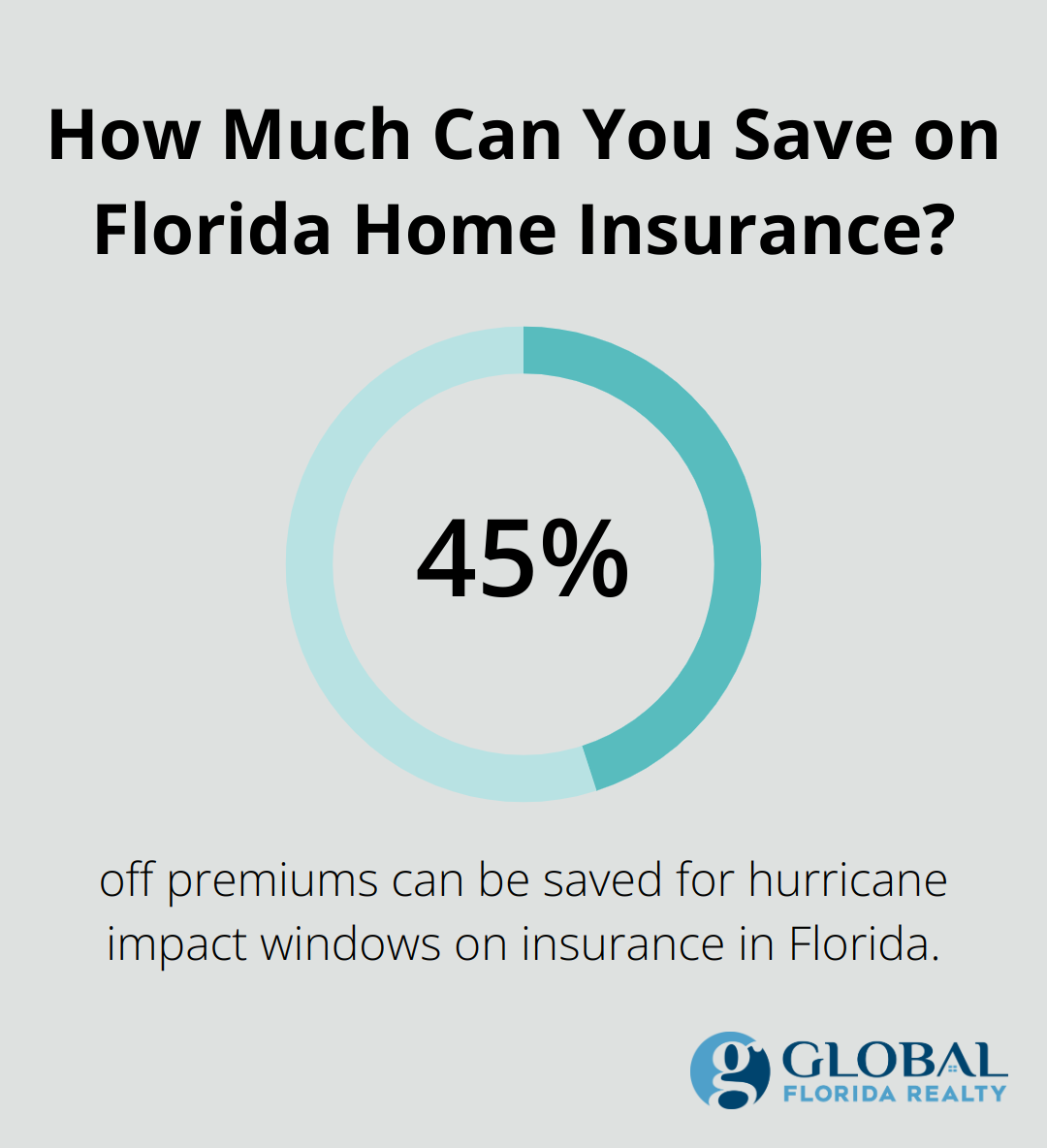
Hurricane preparedness should also factor into your decision-making process. Look for homes with hurricane-resistant features like impact-resistant windows or hurricane shutters. These features not only provide safety but can also lead to insurance discounts (up to 45% off premiums for hurricane impact windows).
As you continue your Florida real estate journey, the next step involves crafting a competitive offer and successfully closing the deal. This process requires careful negotiation and attention to detail to ensure a smooth transaction.
In Florida’s competitive real estate market, your offer must stand out. Florida Realtors reports that Florida’s single-family median price was up 3.8% ($405K) in January 2024. This statistic underscores the need for a strong initial offer.

Include an escalation clause in your offer. This clause automatically increases your bid up to a specified limit if other offers come in higher. It’s an effective strategy to stay competitive without overpaying.
Don’t overlook contingencies. While a clean offer appeals to sellers, protect yourself by including necessary contingencies like home inspection and financing. In Florida’s humid climate, a mold inspection contingency can prove particularly valuable.
After your offer’s acceptance, the negotiation phase begins. This stage highlights the value of a skilled local agent. They help you navigate counteroffers and secure the best possible deal.
Florida law mandates sellers to disclose known defects that substantially affect the property’s value. However, a thorough home inspection remains essential. Given Florida’s unique climate, focus on:
Inspection results often lead to further negotiations. You may request repairs, price reductions, or credits at closing based on the findings.
As the closing date approaches, finalize your financing. For mortgage users, the lender will order an appraisal to ensure the property’s value aligns with the loan amount.
Insurance is a critical consideration in Florida. Standard homeowners insurance often excludes flood damage coverage, necessitating a separate flood insurance policy. FEMA reports that one inch of floodwater can cause more than $25,000 of damage in a home.
Wind insurance is another important factor, especially in coastal areas. Some insurance companies offer wind mitigation discounts for homes with certain hurricane-resistant features (up to 45% off premiums for hurricane impact windows).
The final step involves closing on your Florida property. This process typically includes a final walkthrough of the property, signing numerous documents, and transferring funds. Upon completion, you’ll receive the keys to your slice of Florida paradise.
Buying real estate in Florida requires careful planning and local knowledge. Understanding Florida’s market trends, laws, and environmental factors will help you make informed decisions. A knowledgeable real estate agent can provide invaluable insights into neighborhood trends, property values, and potential investment opportunities.
Florida’s favorable tax environment and year-round pleasant climate continue to attract homebuyers and investors. The state’s diverse real estate market offers options for primary residences, vacation homes, and investment properties. Long-term benefits of Florida property ownership include potential appreciation and rental income opportunities.
Global Florida Realty brings expertise to help you navigate the Florida real estate landscape. We offer comprehensive services covering everything from finding your ideal property to managing investment rentals (specializing in desirable areas like Orlando). Our team can guide you through the process of how to buy Florida real estate and help you make your Florida property dreams a reality.