
At Global Florida Realty, we know that learning how to invest in rental properties can be a game-changer for your financial future. Rental property investment offers a path to passive income and long-term wealth building.
This guide will walk you through the essentials of rental property investing, from understanding different types of properties to managing tenants effectively. Whether you’re a first-time investor or looking to expand your portfolio, we’ve got you covered with practical tips and expert insights.
Rental properties form the backbone of real estate investment, offering a path to financial growth and passive income. The rental market encompasses a diverse range of options, each with its own set of opportunities and challenges for investors.
Single-family homes often serve as the entry point for new investors. These properties are easier to finance and manage, making them an excellent choice for beginners. They typically attract long-term tenants, which can translate to more stable income and fewer turnovers. According to the National Association of Realtors, existing-home sales rose 4.2% month-over-month to a seasonally adjusted rate of 4.26 million in February 2025, although year-over-year sales fell 1.2%.
For investors looking to scale quickly, multi-family properties (such as duplexes, triplexes, or small apartment buildings) can be a game-changer. These properties allow you to collect multiple rent checks from a single location, potentially increasing your cash flow.
Commercial properties, including office spaces and retail locations, offer higher potential returns but come with increased complexity. These investments often require more capital and expertise but can yield significant profits.
Investing in rental properties can provide a steady stream of passive income. Unlike stocks or bonds, real estate is a tangible asset that typically appreciates over time. According to Bankrate, over the past year, the all items index increased 2.8 percent before seasonal adjustment, as reported by the U.S. Bureau of Labor Statistics.
Tax benefits are another significant advantage. Investors can deduct mortgage interest, property taxes, and operating expenses from their rental income. Depreciation is a particularly powerful tax tool, allowing you to offset a portion of your rental income without affecting your cash flow.
While the benefits are substantial, rental property investment isn’t without risks. Market fluctuations can impact property values and rental rates. The 2008 housing crisis serves as a stark reminder of how quickly market conditions can change.
Property management can consume time and money. From finding and screening tenants to handling maintenance issues, these responsibilities can eat into your profits if not managed efficiently. Professional property management services typically charge 8-12% of the monthly rent, which can significantly impact your bottom line.
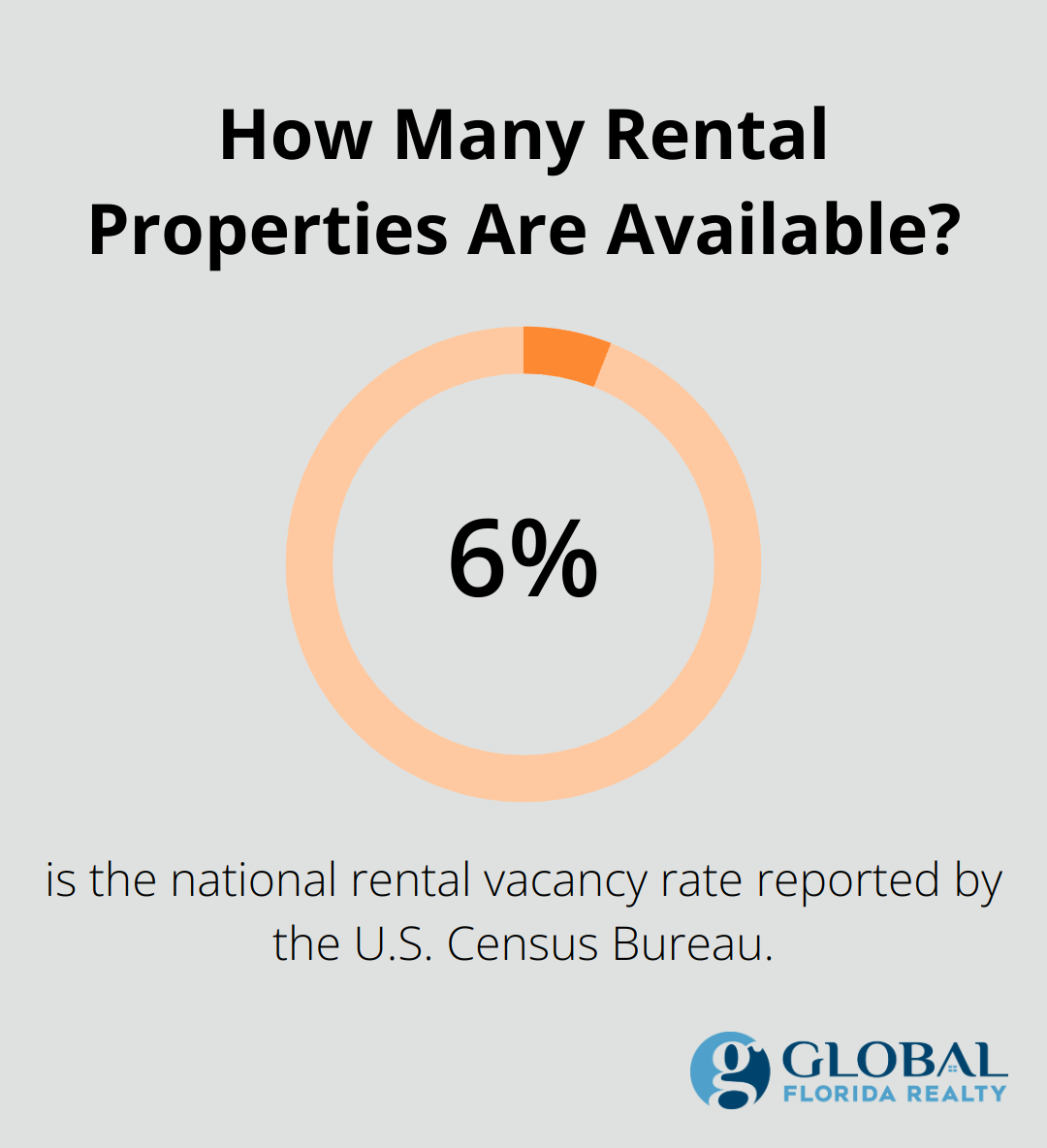
Vacancies present another challenge. Even a month without a tenant can affect your annual returns. The U.S. Census Bureau reports that the national rental vacancy rate hovers around 6%, but this can vary widely by location.
As you consider these various types of rental properties and their associated benefits and challenges, it’s important to evaluate which option aligns best with your investment goals and risk tolerance. The next section will guide you through the process of evaluating potential rental properties to help you make informed investment decisions.
The adage “location, location, location” remains a cornerstone of real estate investment. A property’s surroundings significantly impact its value and rental potential. Investors should focus on areas with low crime rates, quality schools, and easy access to amenities. Proximity to desirable features continues to be the most important factor for profitability in real estate investing.

The local job market also plays a vital role. Cities with diverse employment opportunities tend to maintain stable rental demand.
A thorough inspection will uncover potential issues that could erode profits. The average cost of a home inspection across the country is $343, according to HomeAdvisor, but prices can vary by geographic location and specific house.
Investors should pay special attention to big-ticket items like the roof, HVAC system, and foundation. These components can be costly to replace and significantly impact return on investment.
Many novice investors stumble when it comes to financial analysis. The 1% rule serves as a useful starting point: monthly rent should equal at least 1% of the purchase price. While not infallible, this rule provides a quick gauge of cash flow potential.
To calculate potential return on investment (ROI), consider all expenses, including property taxes, insurance, maintenance, and potential vacancies.
Financing costs also require consideration.
Successful investors analyze market trends, examining historical price data, rental rate trends, and future development plans in the area. Tools like Zillow’s Home Value Index can track property value trends in specific neighborhoods.
The impact of short-term rental platforms (e.g., Airbnb) on the local market deserves attention. In some areas, these platforms have boosted rental income potential, but they may face regulatory challenges.
As you move forward in your investment journey, the next step involves effective management of your rental property. This includes tenant screening, maintenance, and understanding legal responsibilities – all critical aspects of maximizing your investment’s potential.
Finding the right tenants protects your investment. A thorough screening process includes credit checks, employment verification, and rental history. Industry experts recommend reviewing at least three years of rental history, focusing on factors such as timely rent payments, proper notice for move-outs, and other relevant aspects. Use a comprehensive tenant screening service to ensure reliable information.

Set clear criteria for tenant selection. Many landlords require a credit score of at least 650 and an income that’s three times the monthly rent. Document your selection criteria to avoid potential discrimination claims.
Regular maintenance prevents small issues from becoming costly problems. Develop a maintenance schedule that includes seasonal tasks like HVAC inspections and gutter cleaning. Experts suggest budgeting between $3,000 (1% rule) and $12,000 (50% rule) annually for maintenance, depending on your property’s value.
Establish relationships with reliable contractors for quick responses to maintenance issues. Many property owners use services like Angi or HomeAdvisor to find vetted professionals. Prompt repairs keep tenants happy and protect your property’s value.
Understanding landlord-tenant laws is essential. Familiarize yourself with both state and local regulations. For instance, Florida law requires landlords to provide at least 12 hours’ notice before entering a rental property for non-emergency reasons.
Keep meticulous records of all interactions, agreements, and financial transactions. This documentation proves invaluable in case of disputes. Consider using property management software to streamline record-keeping and ensure compliance with legal requirements.
The decision between self-management and hiring a property management company depends on various factors. Self-management saves money (with property management fees typically ranging from 8-12% of monthly rent). However, it requires significant time and expertise.
Professional management benefits out-of-state investors or those with large portfolios. A good property manager handles everything from tenant screening to maintenance coordination, freeing up your time for other investments.
If you choose to hire a management company, look for one with a proven track record in your specific market. Ask about their tenant screening process, maintenance protocols, and communication practices. A reputable company should provide regular financial reports and property inspections.
Rental property investment offers a powerful path to wealth and passive income generation. The rental market shows promise, with steady demand across diverse demographics. Urbanization trends and millennials entering their prime home-buying years will likely maintain the need for quality rental properties.

Investors must prepare thoroughly, conduct research, and network with industry professionals to succeed. We at Global Florida Realty offer expertise in Florida real estate, including services for investors seeking opportunities in Orlando and beyond. Our team can guide you through the process of how to invest in rental properties effectively.
Successful rental property investment requires patience, diligence, and continuous learning. You can build a thriving rental property business that provides steady income and appreciating assets for years to come. With the right approach and resources, you’ll set yourself up for long-term success in real estate investing.